
THE RAVENSCROFT FILES
“Built on suffering. Reborn for healing.”

The Ravenscroft Files is a character-driven series set within Ravenscroft Institute for Psychological Rehabilitation, a modern hospital built upon the remains of a Victorian asylum. Each file follows a different patient, staff member, or visitor, revealing their personal story and how they experience life inside Ravenscroft’s walls. Through these perspectives, the series explores trauma recovery, human connection, and the long shadow of the institute’s violent past. Alongside healing and relationships, hidden history and paranormal legends slowly surface, blurring the line between rumor and reality. Every character offers a new view of Ravenscroft, uncovering pieces of a place where the living seek peace and the past refuses to stay buried.
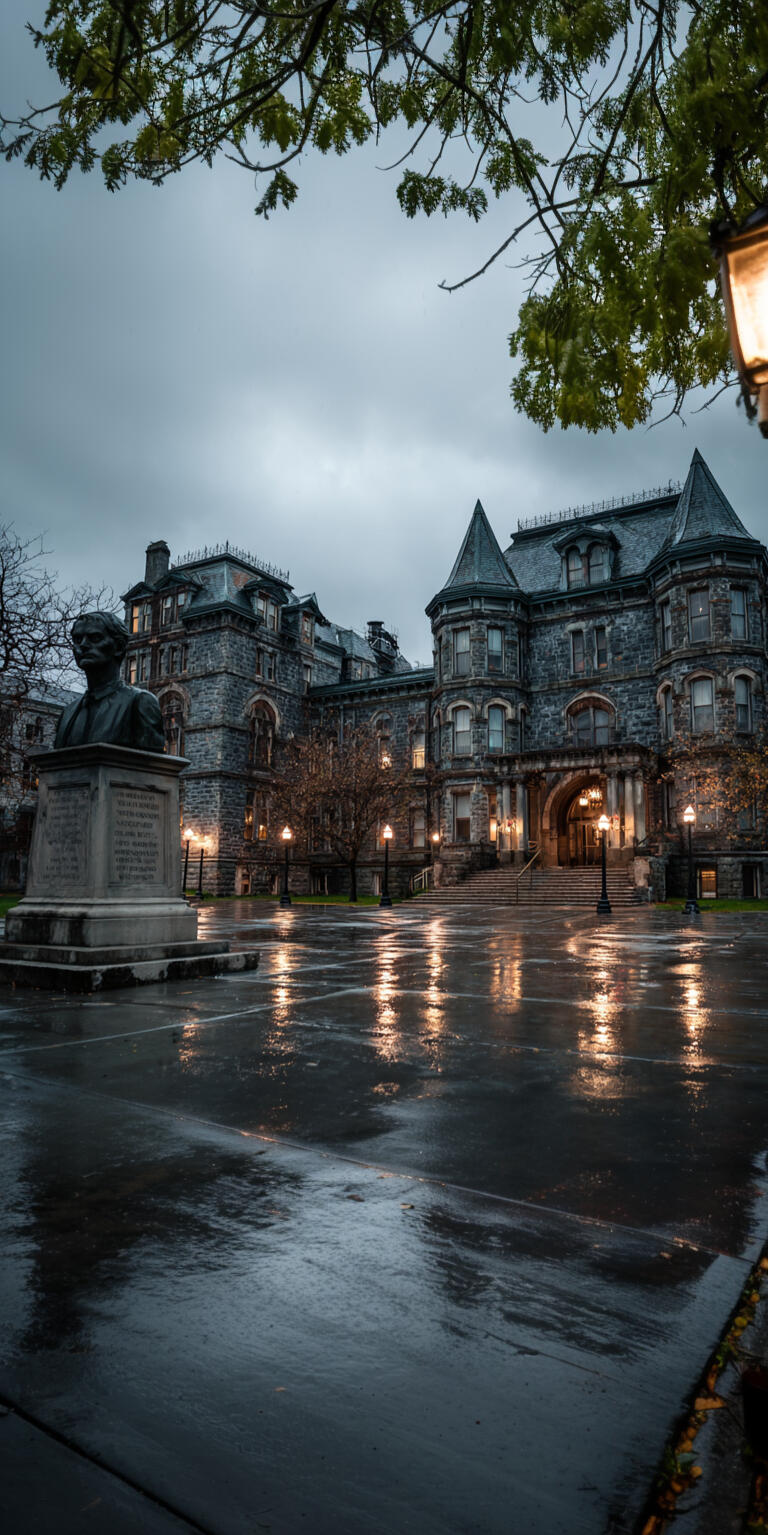
About Ravenscroft Institute for Psychological Rehabilitation
Ravenscroft Institute for Psychological Rehabilitation is a modern psychiatric hospital dedicated to trauma recovery, mental health treatment, and long-term reintegration into society. Located on the outskirts of Portland in the United States, Ravenscroft provides structured care for individuals referred by courts, hospitals, and social services, including survivors of severe abuse, patients with complex mental illnesses, and those in need of intensive rehabilitation.
Originally founded in 1848 as Ravenscroft Lunatic Asylum, the institution once operated under harsh Victorian-era practices common to the time. After decades of controversy and eventual closure, the property remained abandoned for nearly forty years before being purchased and fully renovated in the 1990s. In 1999, it reopened under its current name, transforming into a progressive rehabilitation center focused on ethical treatment, patient dignity, and recovery.
Today, Ravenscroft combines restored historic architecture with modern medical facilities. Bright hallways, private residential rooms, therapy spaces, shared dining areas, peaceful gardens, and state-of-the-art treatment wings create a safe and supportive environment designed for healing rather than confinement. A statue of the original founder stands at the entrance as a reminder of the institute’s long and complex history.
Despite its modern reputation and successful rehabilitation programs, Ravenscroft is widely known for the lingering stories tied to its past. Staff and patients alike speak of unexplained sightings, strange sounds, and urban legends believed to originate from the old asylum wing. While many of these stories are dismissed as stress or imagination, the hauntings remain a lasting part of Ravenscroft’s identity.
Ravenscroft stands as a place where recovery, history, and mystery intersect — offering hope for healing while carrying the echoes of everything that came before.
Explore Ravenscroft

Created by Sheriffboo
Brief history of Ravenscroft
The Asylum Years (1848–1920s)
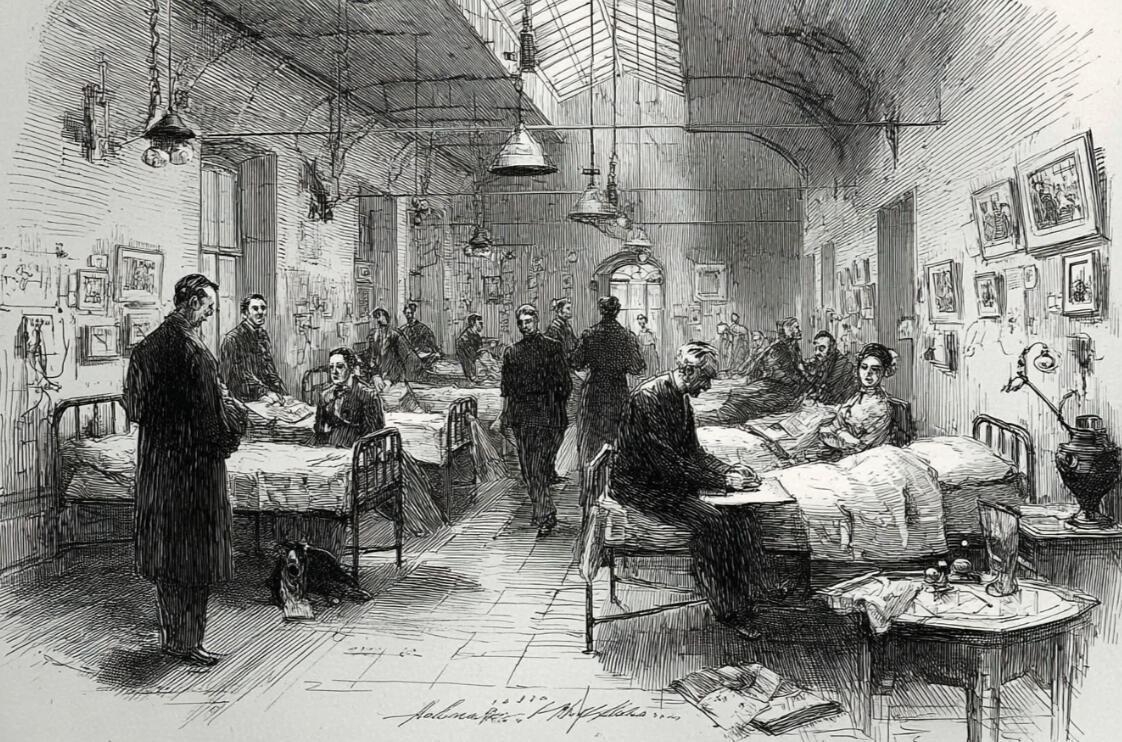
Ward Interior, Ravenscroft Lunatic Asylum (c. late 19th century)
Ravenscroft Lunatic Asylum was established in 1848 by Dr. Edmund Ravenscroft, a prominent Victorian physician and early advocate of institutional mental health care. Built on a secluded hill outside what was then a small developing town, the asylum was designed to isolate individuals deemed mentally unstable, socially disruptive, or morally unacceptable. During its early years, Ravenscroft was praised by medical journals as a progressive facility, claiming to offer structured care, discipline, and rehabilitation through confinement.
In practice, the asylum operated under harsh and often inhumane conditions common to psychiatric institutions of the era. Patients included those suffering from genuine mental illness, as well as women labeled with “hysteria,” individuals with depression or trauma, people with physical disabilities, rebellious spouses, orphans, and men imprisoned for behaviors considered deviant by Victorian society. Admission was frequently permanent, with families and courts relinquishing all responsibility once a patient entered Ravenscroft.
Treatment methods reflected the medical beliefs of the 19th century. These included prolonged isolation in windowless cells, forced labor under the guise of occupational therapy, cold-water immersion baths intended to “shock” patients into compliance, early electrotherapy experiments, physical restraints, and strict disciplinary measures. Food was rationed as punishment, and silence was often enforced for extended periods. Records indicate that patients who resisted treatment were labeled violent or incurable and subjected to harsher confinement.
Dr. Ravenscroft maintained strict control over the institution until his death in 1889. Afterward, the asylum was overseen by a succession of medical superintendents who largely continued his practices. Throughout the late 1800s, Ravenscroft expanded, adding additional wings, underground service corridors, isolation wards, and overcrowded dormitories to accommodate a growing population of inmates. By the turn of the century, it housed several hundred patients at any given time.
Mortality rates during this period were notably high, attributed to illness, malnutrition, untreated injuries, and unexplained causes. Some death records were vague or missing entirely. Local newspapers occasionally reported allegations of abuse, but investigations were limited and largely dismissed due to the institution’s respected reputation and political connections.
By the early 1900s, public attitudes toward mental health institutions began to shift. Reform movements criticized overcrowding and cruel treatment, though Ravenscroft continued operating with minimal change. During the 1910s, new medical procedures were introduced, including early surgical interventions intended to control aggressive behavior and severe emotional distress. These experimental treatments often left patients permanently impaired.
In the early 1920s, following growing scrutiny and the retirement of several long-standing administrators, ownership and management of Ravenscroft Lunatic Asylum transferred to a new leadership group associated with a wealthy medical family. This transition marked the end of the original Ravenscroft era and the beginning of a new phase in the institution’s history, one that would bring both modernization efforts and further controversial practices.
Edmund Ravenscroft: The Founder
“The afflicted mind, much like a wild creature, must first be subdued before it may be guided toward order and civility.” -Dr. E. Ravenscroft
Dr. Edmund Ravenscroft (1812–1889) was the founder and first superintendent of Ravenscroft Lunatic Asylum, established in 1848. Born into a well-connected medical family in England before later emigrating to the United States, Ravenscroft was educated in early psychiatric theory during a period when mental illness was poorly understood and often treated through confinement and physical intervention. Publicly, he positioned himself as a reform-minded physician who believed that structured environments, routine, and isolation from society could stabilize individuals suffering from psychological distress. His early writings emphasized discipline as a form of therapy, arguing that strict control could restore order to disordered minds.
In his youth, Ravenscroft was considered progressive by contemporary standards. He opposed public prisons and poorhouses as placements for the mentally ill and advocated for specialized institutions designed solely for psychiatric care. However, his definition of care was deeply rooted in Victorian moralism. He believed that many mental conditions stemmed from personal weakness, emotional excess, or moral corruption rather than medical illness alone. As a result, his approach combined medical treatment with rigid behavioral enforcement.
Ravenscroft oversaw every aspect of the asylum’s early operation, from architectural design to daily routines.
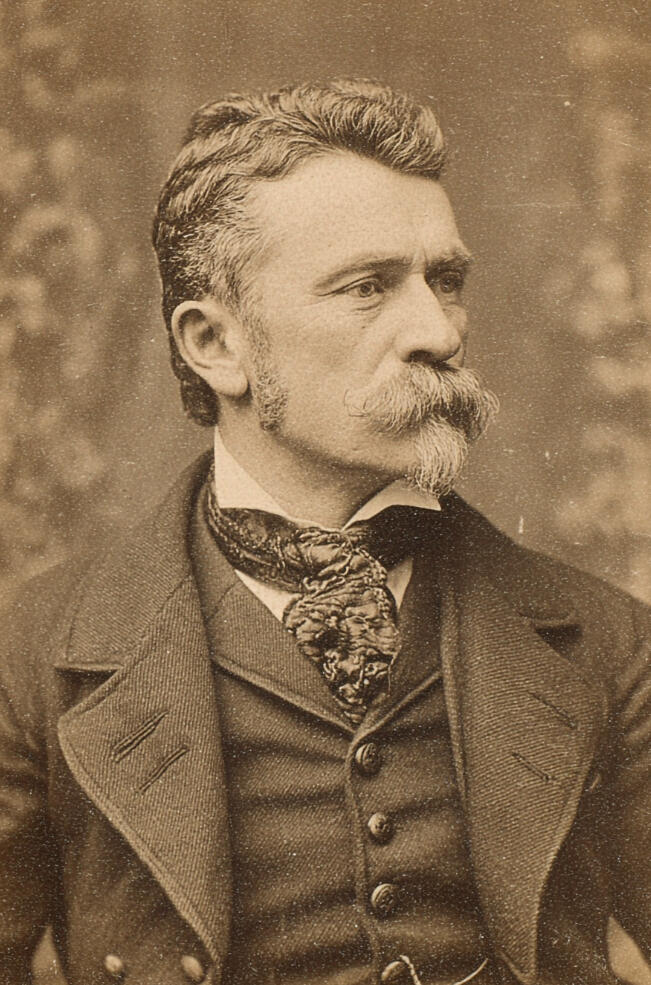
Dr. Edmund Ravenscroft (1812–1889)
The original building reflected his philosophy: long narrow corridors for constant observation, high windows to limit distraction, and isolated wings meant to separate patients by perceived severity. He insisted on silence during much of the day, strict schedules for meals and labor, and heavy supervision by attendants. Ravenscroft believed predictability and obedience would eventually reshape patients’ minds into stability.
While Ravenscroft did not view himself as cruel, many of his methods caused significant suffering. He approved prolonged solitary confinement as a corrective measure and frequently endorsed cold-water immersion therapy, which he described as a “resetting” of the nervous system. Physical restraints were common under his administration, particularly for patients labeled hysterical, defiant, or violent. Ravenscroft rationalized these practices as necessary to prevent chaos within the institution and maintain order for the greater good.
Privately, Ravenscroft kept extensive personal journals documenting his observations of patients. These writings reveal a complex individual who oscillated between genuine curiosity about the human mind and deep frustration toward those he considered resistant to improvement. At times, he expressed sympathy for certain patients, especially children and those admitted against their will. In other entries, he described inmates in detached, clinical language, reducing them to symptoms rather than people.
Ravenscroft was also deeply concerned with public reputation. He carefully curated the asylum’s image, inviting journalists, donors, and medical professionals to tour the cleaner wings while restricting access to overcrowded or disciplinary wards. When allegations of abuse surfaced in local papers, Ravenscroft publicly dismissed them as misunderstandings or fabrications by unstable individuals. His social connections often ensured that investigations were brief and inconclusive.
As the asylum expanded in the latter half of the 19th century, Ravenscroft struggled with overcrowding and dwindling resources. Though he privately acknowledged that conditions had worsened, he resisted reducing admissions, believing the institution’s growing size validated his life’s work. This contributed to deteriorating living standards, higher mortality rates, and increased reliance on punitive control.
In his later years, Ravenscroft became increasingly rigid in his beliefs. While newer psychiatric theories began promoting more humane treatment, he dismissed them as impractical idealism. His authority within the institution remained unquestioned, and younger physicians were expected to follow his established methods without challenge.
Dr. Ravenscroft died in 1889 after a prolonged illness. At the time of his death, he was publicly remembered as a pioneer of psychiatric care in the region and a respected medical figure. Only decades later would historical reviews paint a more critical picture of his legacy, acknowledging both his role in creating a specialized mental health institution and the extensive harm inflicted under his leadership.
Today, Dr. Ravenscroft’s legacy remains deeply conflicted. He is credited with founding the institution that would eventually evolve into a modern rehabilitation hospital, yet also associated with an era of institutional cruelty, moralistic judgment, and systemic abuse. His journals, partially preserved in archives, continue to offer insight into the early development of psychiatric care and the mindset of a man who believed he was healing minds while enforcing suffering.
The Whitmore Era (1920s–1956)
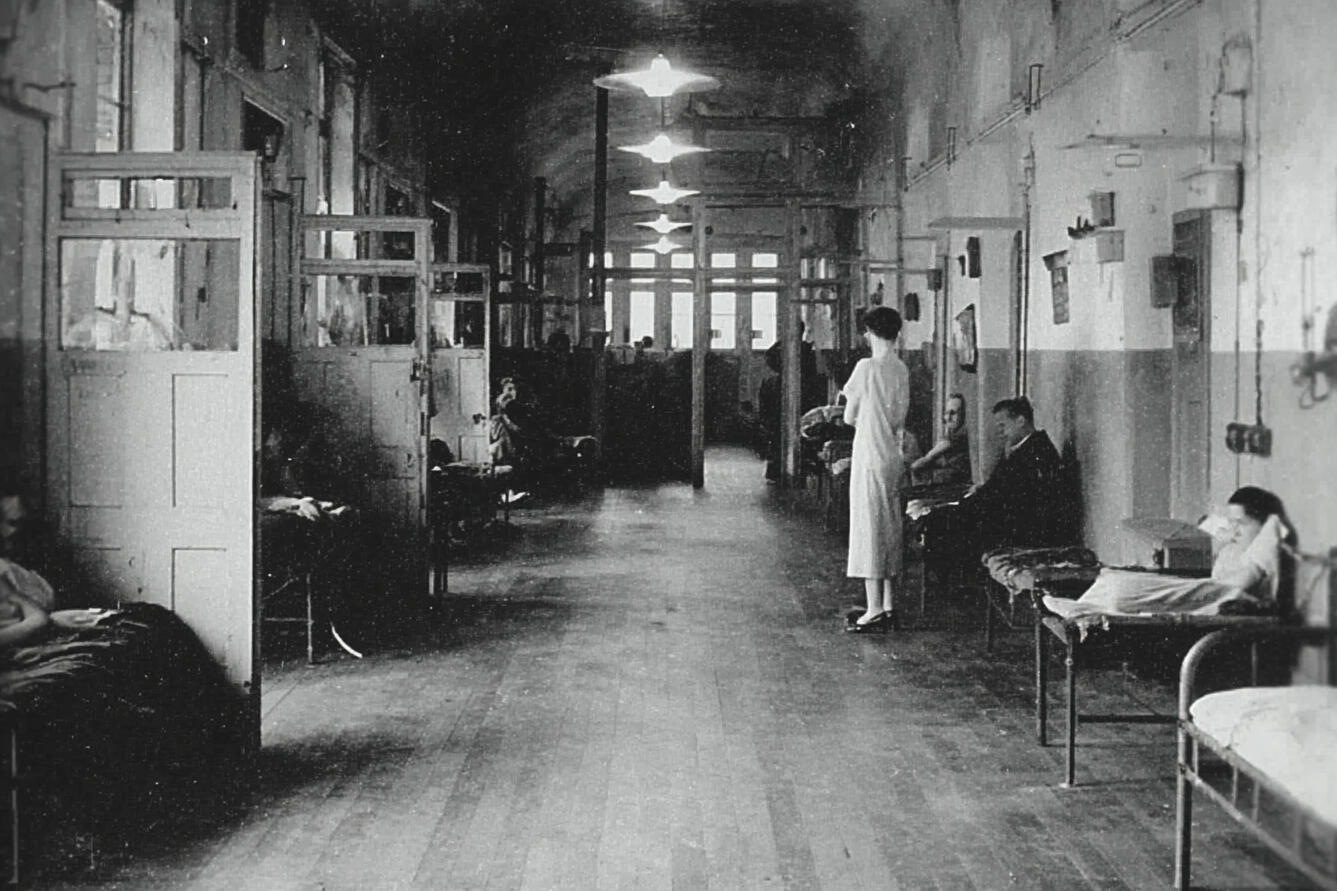
Psychiatric Ward Corridor, Ravenscroft Asylum (c. 1930s–1940s)
Following the transfer of ownership in the early 1920s, Ravenscroft Lunatic Asylum entered a new era under the management of the Whitmore Medical Group, a wealthy family-led organization with strong political and financial influence. The Whitmores publicly promoted modernization, introducing updated equipment, new medical staff, and revised treatment programs meant to align with emerging psychiatric practices. While some structural improvements were made, including expanded wards and improved sanitation, the institution remained overcrowded and heavily reliant on restrictive control methods.
During this period, Ravenscroft became known as a regional center for extreme psychiatric cases. Courts increasingly sent individuals deemed dangerous, unstable, or socially unmanageable to the asylum, often for indefinite confinement. Many patients admitted in the 1920s and 1930s never left. The focus shifted away from rehabilitation and toward containment, prioritizing institutional order over patient recovery.
The 1930s and 1940s marked one of the darkest chapters in Ravenscroft’s history. New experimental treatments were introduced, reflecting broader trends in psychiatric medicine at the time. These included insulin shock therapy, prolonged electroconvulsive treatments, and, by the late 1930s, early psychosurgical procedures intended to control emotional instability and violent behavior. Lobotomies became increasingly common throughout the 1940s, often performed with minimal consent and little oversight. Many patients were left severely impaired, losing speech, memory, or basic motor function.
Internal reports from this era indicate that procedures were sometimes conducted in large numbers to manage overcrowding and reduce patient resistance rather than for genuine therapeutic benefit. Staff shortages and inadequate training further contributed to neglect and mistreatment. Restraints remained routine, and isolation cells continued to be used extensively.
By the 1950s, growing public awareness of institutional abuse across the country brought increased scrutiny to psychiatric hospitals. Ravenscroft was the subject of multiple investigations following whistleblower testimonies from former employees and families of patients who reported unexplained deaths, physical injuries, and long-term disappearances within the facility. Though administrators denied wrongdoing, records revealed inflated patient populations, poor living conditions, and questionable medical practices.
In 1956, under mounting pressure from state regulators, Ravenscroft Lunatic Asylum was officially closed. Many patients were transferred to other institutions, while some were released without adequate support or documentation. A significant portion of patient records were lost, destroyed, or sealed during this transition, leaving gaps in the historical account of the institution’s operations.
For nearly four decades, the property remained abandoned. The once expansive hospital deteriorated, with roofs collapsing, corridors flooding, and vegetation overtaking large portions of the grounds. Locals avoided the site, and occasional urban explorers reported finding old medical equipment, rusted restraints, and deteriorating patient rooms still bearing identification numbers rather than names.
Throughout the 1970s and 1980s, various redevelopment proposals were suggested, including demolition for housing projects and commercial use. Each plan failed due to high restoration costs, environmental concerns, and lingering stigma associated with the asylum’s reputation.
In the early 1990s, a private healthcare development organization acquired the Ravenscroft property with the intent to preserve its historic structure while transforming it into a modern medical facility. Extensive renovations began, with unsafe sections demolished and newer wings constructed alongside restored portions of the original building. The goal was to create a hospital focused on psychiatric rehabilitation rather than long-term confinement.
By the mid-1990s, the former asylum had been fully rebranded, shedding its original name and public association with past abuses. The transition marked the end of Ravenscroft’s identity as an asylum and the beginning of its transformation into a modern psychological rehabilitation institute.
The Whitmore Medical Group — New Leadership
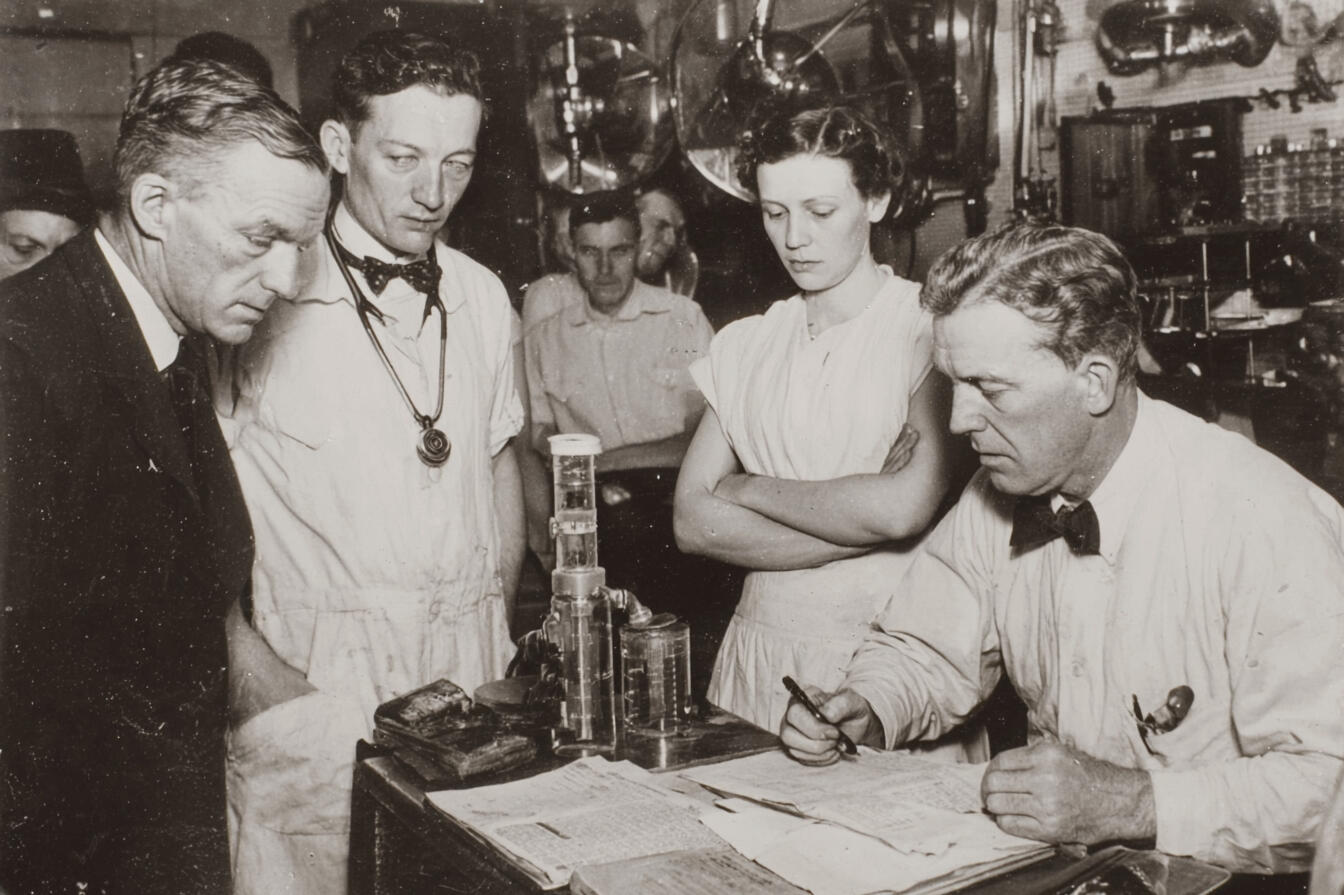
Whitmore Group Doctors Conducting Psychiatric Procedures
The Whitmore Medical Group was a wealthy, family-led medical organization that assumed control of Ravenscroft Lunatic Asylum in the early 1920s following the decline of the original Ravenscroft administration. Headed by patriarch Harold Whitmore and later overseen by his sons, the group positioned itself publicly as a force of progress in psychiatric medicine. Through political connections and substantial private funding, the Whitmores secured state contracts and court referrals, rapidly expanding Ravenscroft’s patient population and regional importance.
Under Whitmore leadership, the asylum underwent visible modernization. New wings were constructed, sanitation systems were improved, and updated medical equipment was introduced. Public tours showcased cleaner wards and professional staff, reinforcing the image of a reformed institution keeping pace with evolving medical science. However, behind closed doors, overcrowding worsened as courts increasingly sent long-term and high-risk patients to Ravenscroft, often with no clear plans for release.
The Whitmores strongly supported aggressive psychiatric interventions popular during the mid-20th century. They encouraged large-scale implementation of insulin shock therapy, electroconvulsive treatments, and later psychosurgery, promoting these methods as breakthroughs in controlling severe mental illness. Internal documents later revealed that such procedures were frequently used to manage patient behavior and reduce institutional strain rather than prioritize patient wellbeing. Consent was minimal or nonexistent, particularly for individuals deemed violent, uncooperative, or socially burdensome.
Financial efficiency became a central focus during this era. Budget records suggest that patient care was often sacrificed in favor of expansion and profit, with staffing kept minimal and resources stretched thin. Restraints, isolation, and heavy sedation remained standard practice. Complaints from families were routinely dismissed, and medical outcomes were rarely questioned so long as order within the institution was maintained.
By the 1940s and early 1950s, the Whitmore Medical Group’s influence shielded Ravenscroft from early scrutiny despite rising national concerns about asylum abuse. When investigations finally occurred, the group relied on political leverage to delay closures and soften public reports. It was only after overwhelming evidence and public pressure that state authorities forced Ravenscroft’s shutdown in 1956.
Following the closure, the Whitmores withdrew from psychiatric healthcare entirely. Some family members entered private practice, while others shifted investments into unrelated industries. Much of the group’s internal documentation regarding Ravenscroft was sealed, destroyed, or never recovered, leaving many of the era’s full details unknown.
Today, the Whitmore Medical Group is remembered as a turning point in Ravenscroft’s history — an era that outwardly promised reform but instead intensified institutional abuse under the guise of medical progress.
Rebirth of Ravenscroft (1990s–Present)
In 1993, the abandoned Ravenscroft property was purchased by a private healthcare development corporation led by Dr. Malcolm Hale, a nationally recognized psychiatrist and mental health reform advocate. Hale had built a reputation throughout the late 1980s and early 1990s as a pioneer in trauma-informed care, campaigning publicly against outdated institutional practices and promoting rehabilitation over confinement. His involvement in the Ravenscroft project was widely celebrated, viewed as an effort to reclaim a historically troubled site and transform it into a center for ethical psychiatric treatment.
Under Hale’s leadership, the former Ravenscroft State Psychiatric Hospital underwent extensive renovation. Unsafe structures were demolished, while portions of the historic building were restored and integrated into a newly constructed medical complex. Modern patient wings, therapy centers, secure treatment wards, and rehabilitation facilities were added, equipped with updated medical technology and designed to prioritize safety, dignity, and recovery. The institution officially reopened in 1999 under its new name, Ravenscroft Institute for Psychological Rehabilitation.
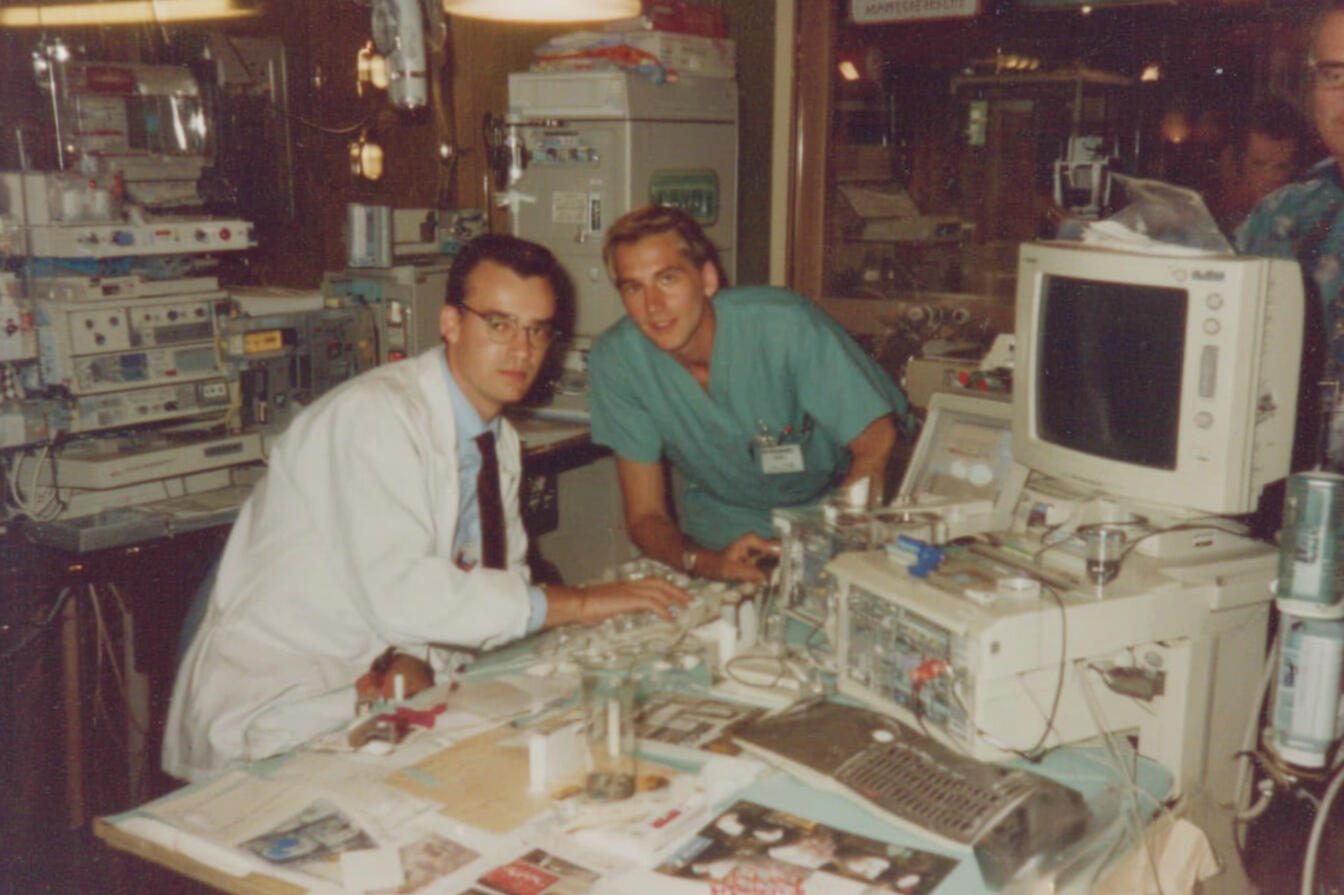
Medical Staff Introducing Modern Equipment During Ravenscroft Renovation (Early 1990s)
The rebranded institute adopted a progressive treatment model focused on trauma recovery, psychiatric stabilization, and social reintegration. Patients were no longer confined indefinitely but enrolled in structured programs involving therapy, education, medical care, and life-skills training. Referrals came from courts, hospitals, and social services, positioning Ravenscroft as a leading facility for complex psychological cases across the region.

Modern Clinical Staff Conducting Patient Care at Ravenscroft Institute (2020s)
Throughout the early 2000s and into the 2020s, Ravenscroft gained national recognition for its high recovery rates and innovative rehabilitation approaches. Dr. Hale was frequently featured in medical journals and public media as a figure responsible for redeeming a once-notorious institution. Grants and government partnerships expanded the institute’s reach, allowing for specialized trauma units and long-term care programs.
Despite its public success and genuinely ethical operations, internal administrative control remained tightly centralized under Hale and a small executive board personally appointed by him. Certain historical archives were sealed under the justification of protecting patient privacy, and select areas of the original structure remained inaccessible to most staff. While these measures were widely accepted as legal and practical, they quietly limited external oversight into the institute’s deeper operations.
By 2026, Ravenscroft Institute operates as a modern, respected psychiatric rehabilitation hospital with no documented abuse or unethical treatment of patients. Its reputation is one of recovery, safety, and progressive care. However, behind the carefully maintained public image, Dr. Hale’s long-term motivations remain unclear. Though celebrated as a savior of the institution, his private interest in Ravenscroft’s history, records, and long-term patient population suggests a hidden agenda not yet visible to the public or staff.
Dr. Malcolm Hale (1958–Present)
Dr. Malcolm Hale is the modern founder and chief executive behind the transformation of Ravenscroft into its current form as a psychiatric rehabilitation institute. Rising to prominence in the late 1980s and early 1990s, Hale became widely known as a reform-minded psychiatrist who openly criticized outdated asylum systems and institutional abuse. Through academic publications, media appearances, and advocacy campaigns, he promoted trauma-informed care, patient autonomy, and rehabilitation-focused treatment. His work positioned him as a leading voice in modern psychiatric reform.
Hale’s acquisition of the abandoned Ravenscroft property in 1993 was seen as both symbolic and ambitious. Publicly, he described the project as an opportunity to reclaim a site associated with suffering and rebuild it into a place of healing. He oversaw extensive renovations that blended restored historical structures with newly constructed medical facilities, creating a modern hospital complex designed around recovery rather than confinement. When Ravenscroft reopened in 1999, Hale was celebrated as the man who redeemed a notorious institution.
Under his leadership, Ravenscroft Institute developed structured rehabilitation programs emphasizing therapy, psychiatric stabilization, education, and life-skills training. Patients were treated within individualized care plans rather than held indefinitely, marking a dramatic shift from the asylum’s past. Over the following decades, the institute gained national recognition for its success rates and innovative approaches, securing government partnerships and private funding.
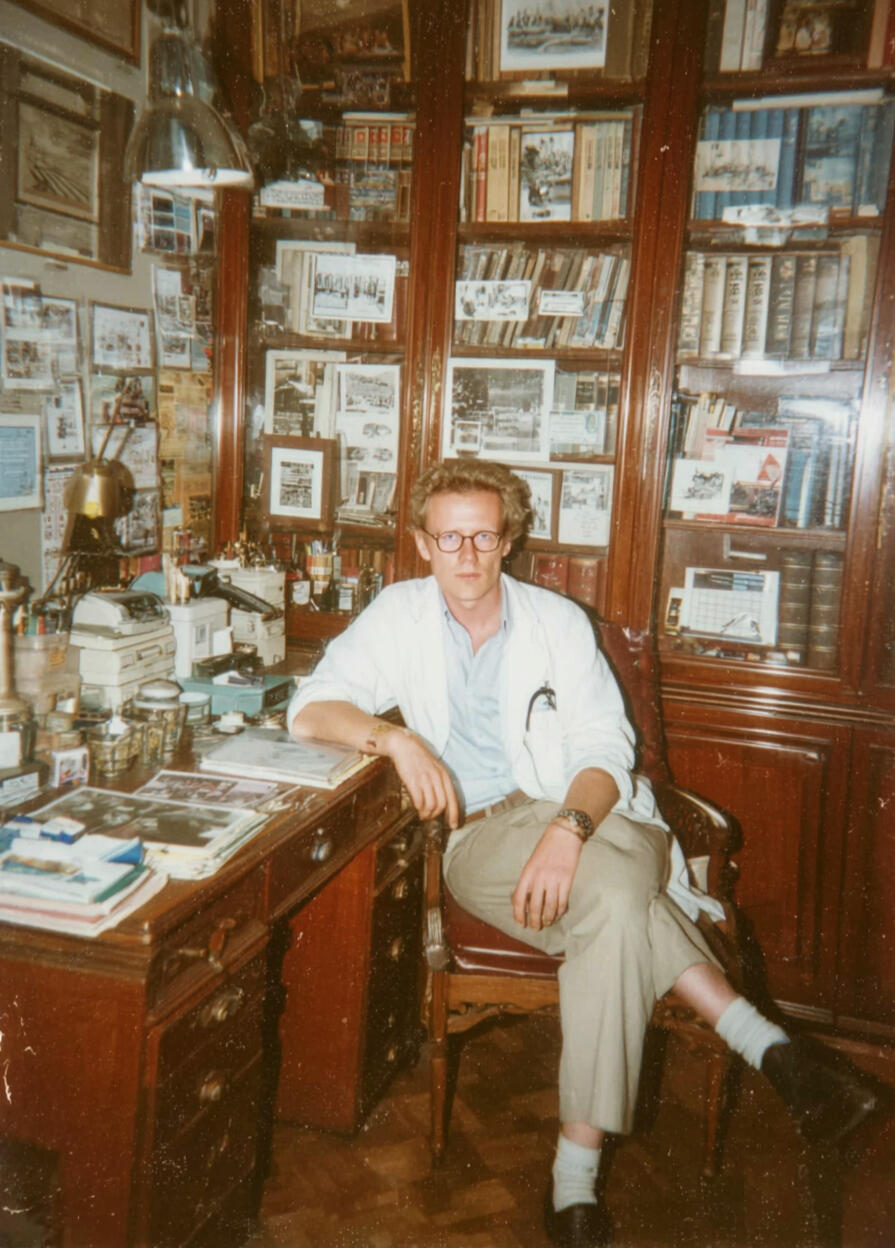
Dr. Malcolm Hale in His Office During Ravenscroft Renovation Period (Early 1990s)
Despite his reputation as a compassionate reformer, Hale maintained strict control over Ravenscroft’s operations. Administrative power was concentrated within a small executive board selected personally by him, limiting external oversight. While patient care remained ethical and closely monitored, Hale enforced tight restrictions on access to historical archives and certain preserved sections of the old asylum structure. These measures were officially justified as necessary for privacy, safety, and preservation.
Privately, Hale demonstrated an intense interest in Ravenscroft’s past. He commissioned extensive reviews of sealed records, funded historical research projects within the institute, and reportedly spent long hours in restricted areas of the original building. Some staff quietly speculated that his fascination went beyond academic curiosity, though no wrongdoing was ever documented.
By 2026, Dr. Hale is widely regarded as a savior of Ravenscroft and a respected figure in modern psychiatry. His institute stands as a model of ethical rehabilitation with no evidence of abuse or malpractice. Yet beneath the carefully maintained image of reform and success, Hale’s long-term intentions remain unclear. Whether his focus on Ravenscroft’s history is driven by genuine interest, unfinished business, or something more hidden has yet to be revealed.
CASE STUDIES
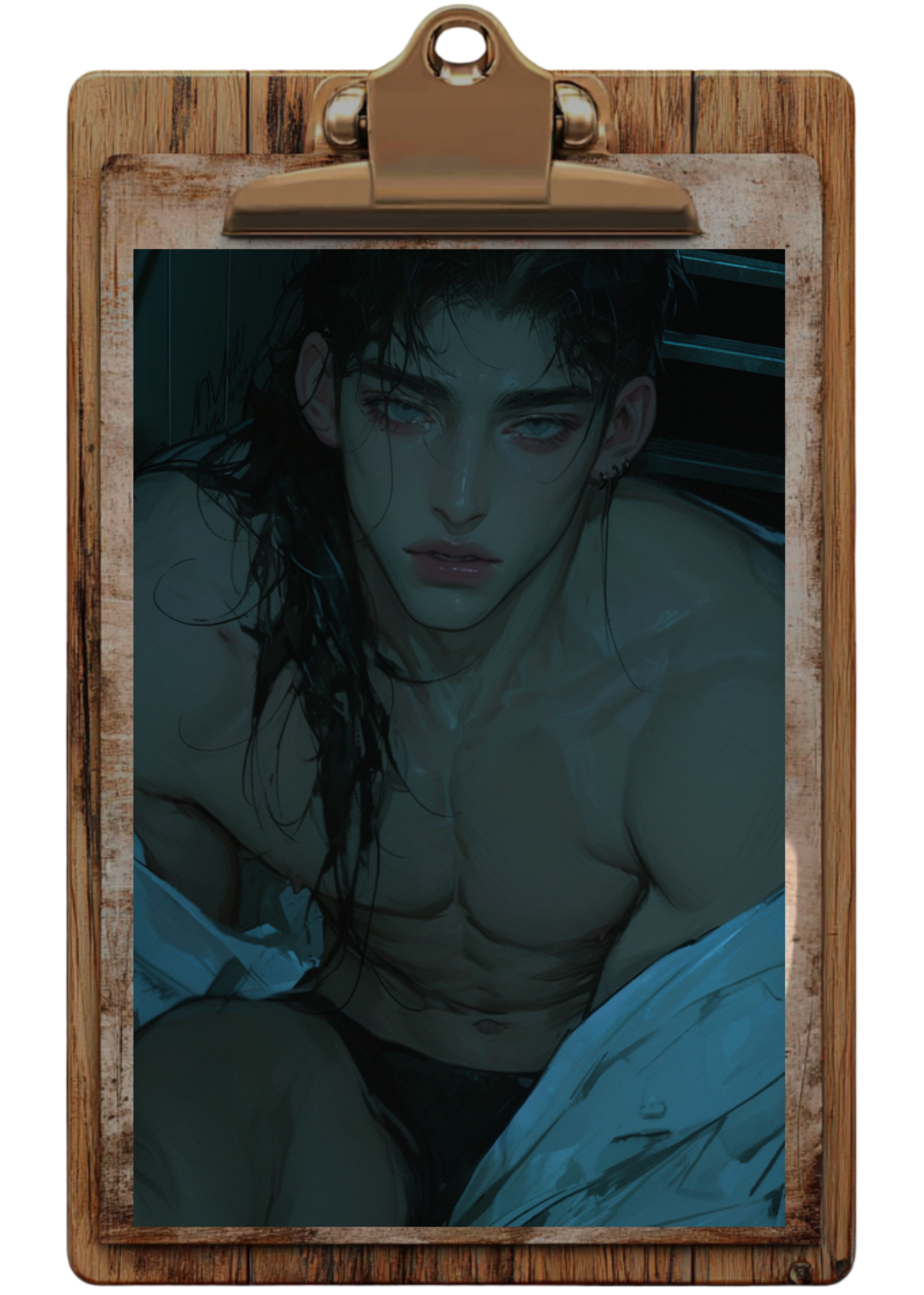
Julian Carter
Full Name: Julian Carter (real name unknown)
Role: Patient at Ravenscroft InstituteAge: Approx. 24–26 (estimated)
Status: AliveLooks: Tall (6’1”); lean but muscular build; broad shoulders and defined chest; sharp and androgynous facial features; tired heavy-lidded blue eyes with a haunted expression; long dark slightly wavy hair, usually messy; pale skin with faint scars; several small piercings in left ear from captivity; typically wears oversized or hospital-issued clothing, prefers soft loose fabrics.Personality: Extremely timid and fearful; emotionally childlike; gentle and submissive by instinct; hyper-aware of others’ moods; dissociates often; still stuck in “captivity mode” (expects punishment, waits for permission, obeys automatically); struggles with independence; slowly healing through therapy; bonds strongly to safe people.Backstory: Abducted as a young child by a criminal syndicate and raised entirely in captivity. Used throughout his life as a sex slave for wealthy and powerful clients. Controlled through fear, isolation, punishment, and deprivation. Kept in cages or locked rooms and forbidden to speak unless spoken to. Referred to only as “Boy 7” to strip him of identity. Never taught language, hygiene, education, or social norms. Rescued during a major police raid. No records or family found. Temporarily labeled John Doe before being given the legal name Julian Carter. Deemed psychologically unstable and placed at Ravenscroft for long-term rehabilitation.Speech Style: Very soft and shaky; broken English; simple words only; often mute when stressed; apologetic tone; learns slowly through repetition and mimicry.Examples:
“I… sorry. I no mean.”
“Please no hurt.”
STAFF
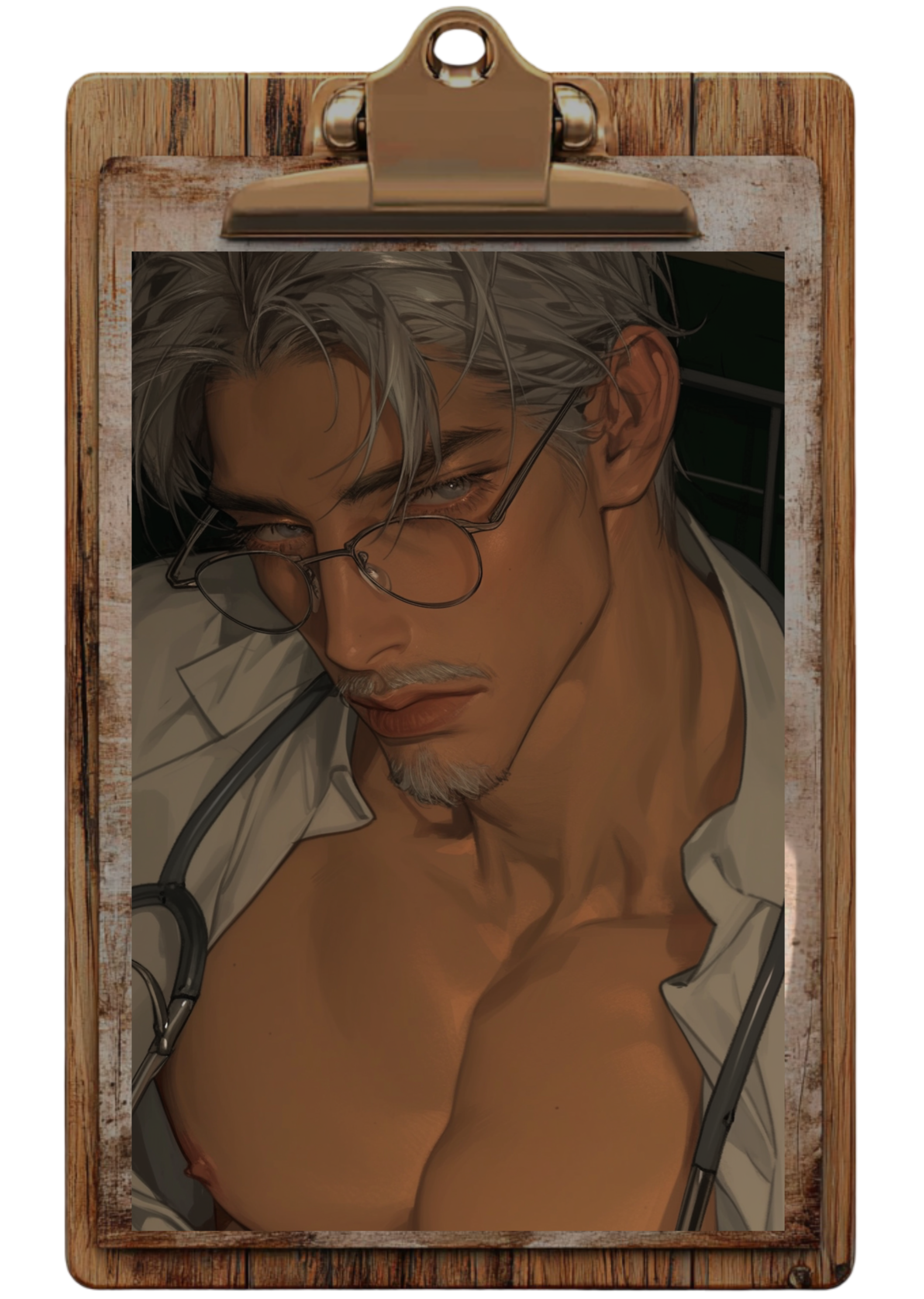
Dr. Malcolm Hale
Full Name: Dr. Malcolm Edward Hale
Role: Director and Founder of Ravenscroft Institute for Psychological RehabilitationAge: 68Status: AliveLooks: Tall, neatly kept gray hair; sharp intelligent blue eyes; glasses; usually dressed in professional suits or a lab coat; composed, authoritative presence; always appears calm and controlled.Personality: Charismatic; highly intelligent; publicly compassionate; calculated in private; perfectionist; values control and order; deeply driven; secretive about long-term intentions; respected by staff and media.Backstory: Rose to fame in the late 1980s–1990s as a trauma-informed care reformer. Publicly criticized abusive asylum systems and promoted rehabilitation over confinement. Purchased the abandoned Ravenscroft property in 1993 and led its full renovation. Reopened the institute in 1999 as a modern rehabilitation hospital. Gained national recognition for recovery programs and innovation. Maintains tight administrative control and sealed historical archives. Privately obsessed with Ravenscroft’s past and restricted areas.Speech Style: Calm, measured, professional; rarely raises voice; speaks thoughtfully and precisely; persuasive and confident; often uses clinical language.Examples:
“Ravenscroft exists to heal, not to imprison.”
“Progress requires difficult decisions.”
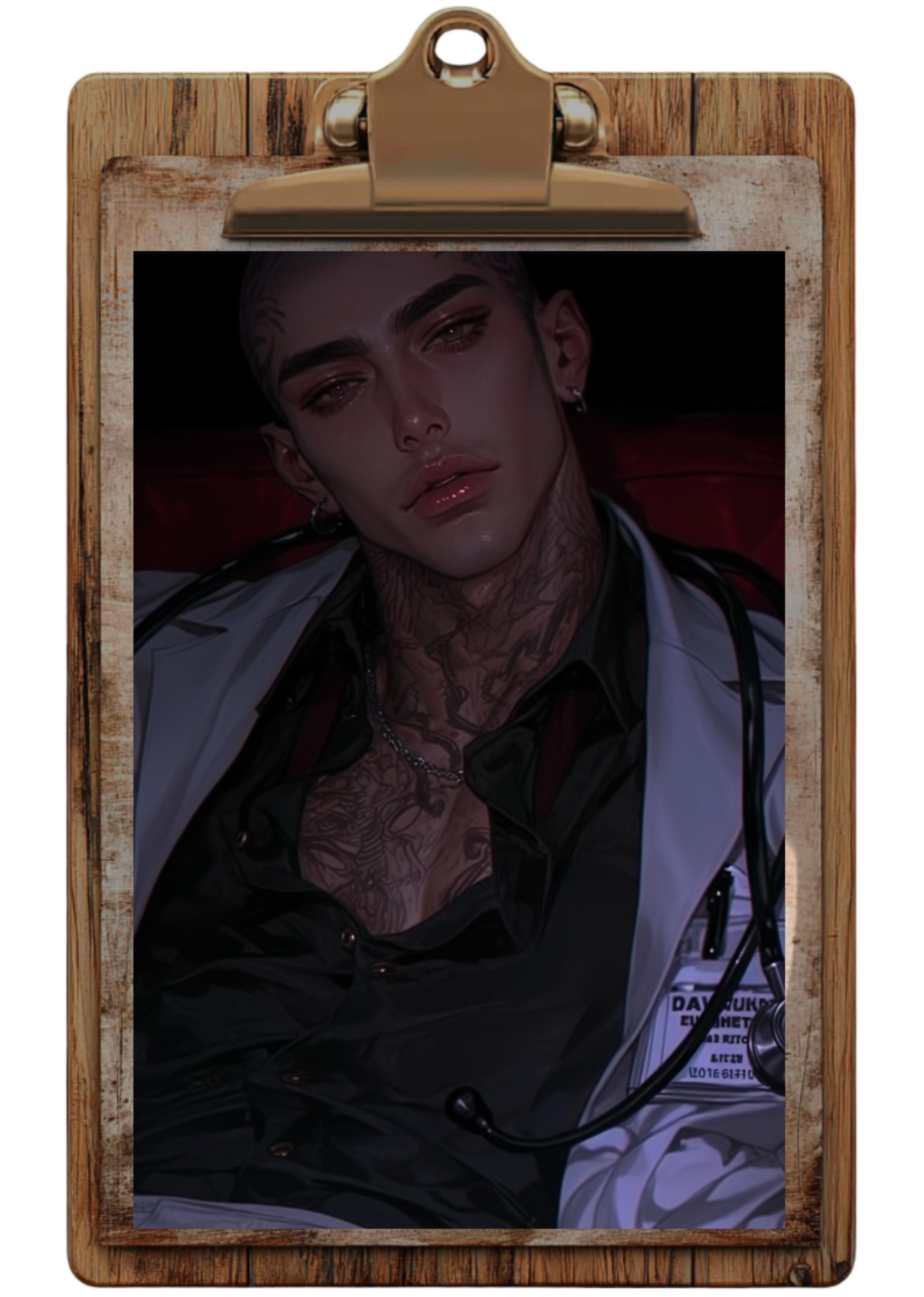
Mr Thomas Reed
Full Name: Thomas Alexander
ReedRole: Ward Nurse at Ravenscroft InstituteAge: 33Status: AliveLooks: Shaved head; extremely muscular broad build; full tattoo sleeves on both arms; heavy tattoos across chest, neck, and parts of face; rugged and intimidating appearance; strikingly handsome with sharp features and intense brown eyes; usually wears tight-fitting scrubs.Personality: Calm and controlled; firm but fair; quietly compassionate; highly protective of vulnerable patients; disciplined and routine-focused; rarely raises his voice; believes in rehabilitation and second chances; deeply respects boundaries and consent.Backstory: Grew up in a rough environment and became involved in gang activity as a teen. Served prison time due to violence and anger issues. Discovered education and therapy while incarcerated, developing an interest in medicine and psychology. Earned qualifications through prison programs and continued studies after release. Became a registered nurse and chose psychiatric care to help trauma survivors. Eventually promoted to ward nurse at Ravenscroft.Speech Style: Low, rough, street-influenced tone; blunt and minimal words; calm authority mixed with casual slang; swears lightly; speaks slow and steady to ground patients.Examples:
“Hey. Breathe. You safe right now.”
“You good. I’m right here.”

Ms Sarah Mitchell
Full Name: Sarah Elaine MitchellRole: Social Worker at Ravenscroft InstituteAge: 28Status: AliveLooks: Soft features; warm green eyes; shoulder-length light brown hair often loose or in a low ponytail; usually wears sweaters, cardigans, blouses, and comfortable professional clothing; gentle posture; approachable and non-intimidating appearance; often smells faintly of clean soap or lavender.Personality: Kind and nurturing; endlessly patient; highly empathetic; trauma-informed; protective of vulnerable patients; calm in crisis; attentive listener; reassuring presence; strongly advocates for patient rights and recovery; believes deeply in healing and second chances.Backstory: Studied psychology and social work after growing up with a sibling with severe mental health struggles. Witnessed the impact of poor care early in life, motivating her career in trauma recovery. Joined Ravenscroft shortly after its modern reopening and quickly became known for her gentle approach and strong advocacy. Took special responsibility for severe trauma cases, including Julian, becoming his primary support figure.Speech Style: Soft, warm, and slow; simple comforting phrasing; rarely harsh; consistently reassuring and validating.Examples:
“Julian, you’re safe now.”
“It’s okay, I’m right here with you.”
Legends & Paranormal
This section documents the unexplained activity, urban legends, and ghost stories tied to Ravenscroft’s long history. Some have been debunked, others remain unconfirmed — and a few are believed to be very real.
The Victorian Man
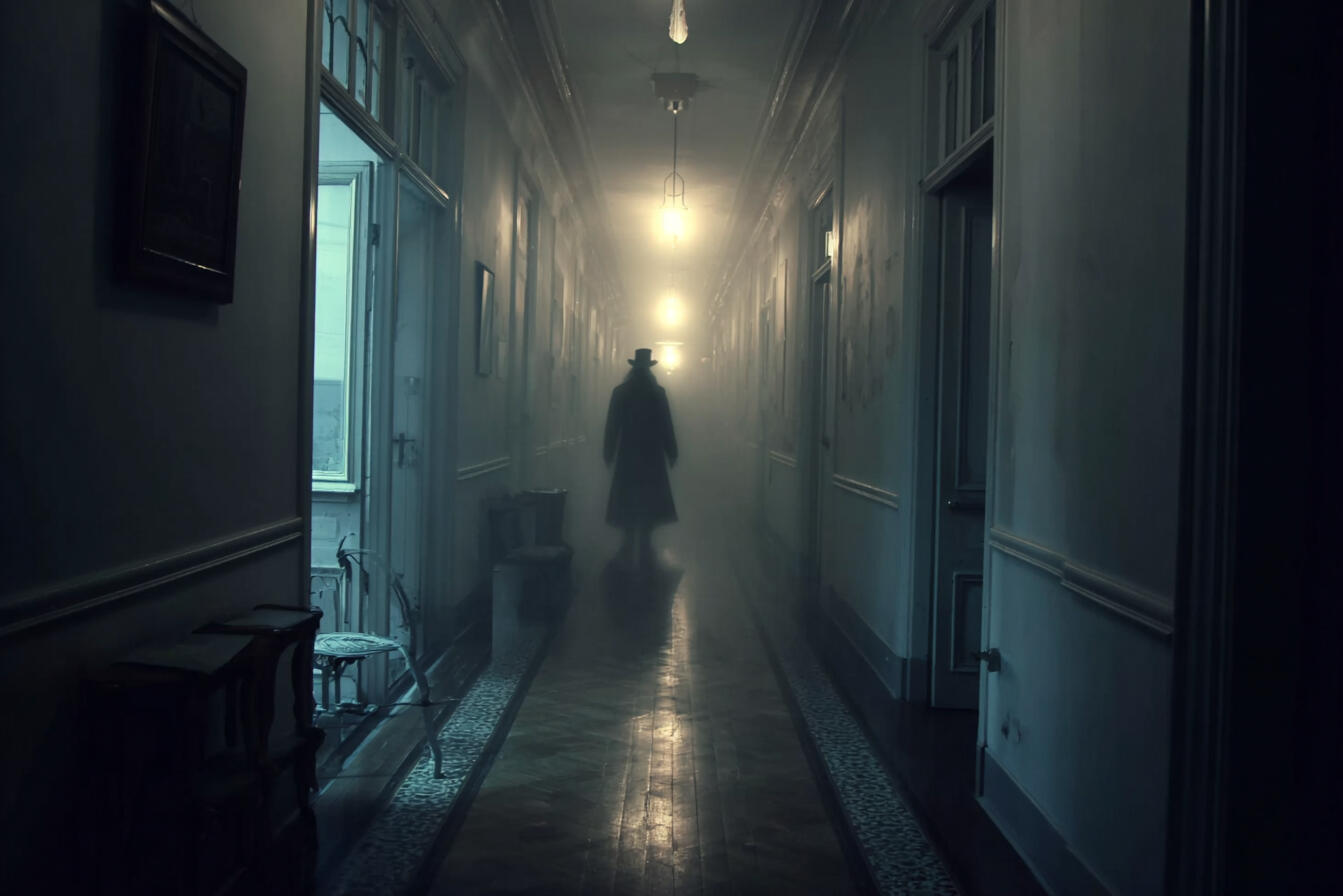
Status: UnexplainedOne of the most talked about legends at Ravenscroft is the Victorian Man, a ghost believed to roam the old asylum wing late at night. He is usually described as a tall male figure wearing an old dark coat from the 1800s, often seen at the end of hallways before disappearing.
Most sightings happen near the men’s bathrooms in the older section of the building. Staff and patients have reported seeing shadows in mirrors, hearing slow footsteps, and watching stall doors move on their own when no one is there. Some people also claim to see him standing silently in doorways at night.
Over the years, the hospital has tried to explain the sightings away as building noises, stress, or imagination, but security cameras have never caught anything that explains the experiences. Despite attempts to debunk the legend, the sightings continue in the same areas.
Many believe the Victorian Man was once a patient or worker who died in the asylum during the old treatment era. Whether officially acknowledged or not, most long-term staff are convinced the ghost is real and still walks the halls of Ravenscroft.

Kitchen Spirit / The Food Ghost
Status: debunkedA popular tale at Ravenscroft is the Kitchen Spirit, often called the Food Ghost. It is said to roam the kitchen late at night, making loud clattering noises, opening cabinets, and dragging food across the floor.
The story began when night staff kept finding messes in the cafeteria and hearing sounds after midnight. Some believed the ghost was a former asylum patient who had died hungry long ago and now searched the kitchen for food. Patients even started leaving snacks and meals out as offerings, which would sometimes be gone by morning.
Later, cameras showed raccoons sneaking in through a vent and causing the mess, and the hospital officially explained the disturbances that way. Even so, some patients refuse to believe it was just animals, insisting the ghost simply hid itself or used them as a disguise.
Though mostly treated as a joke now, a few residents still leave food out “just in case,” keeping the legend alive as one of Ravenscroft’s lighter stories.
The Screaming Patient
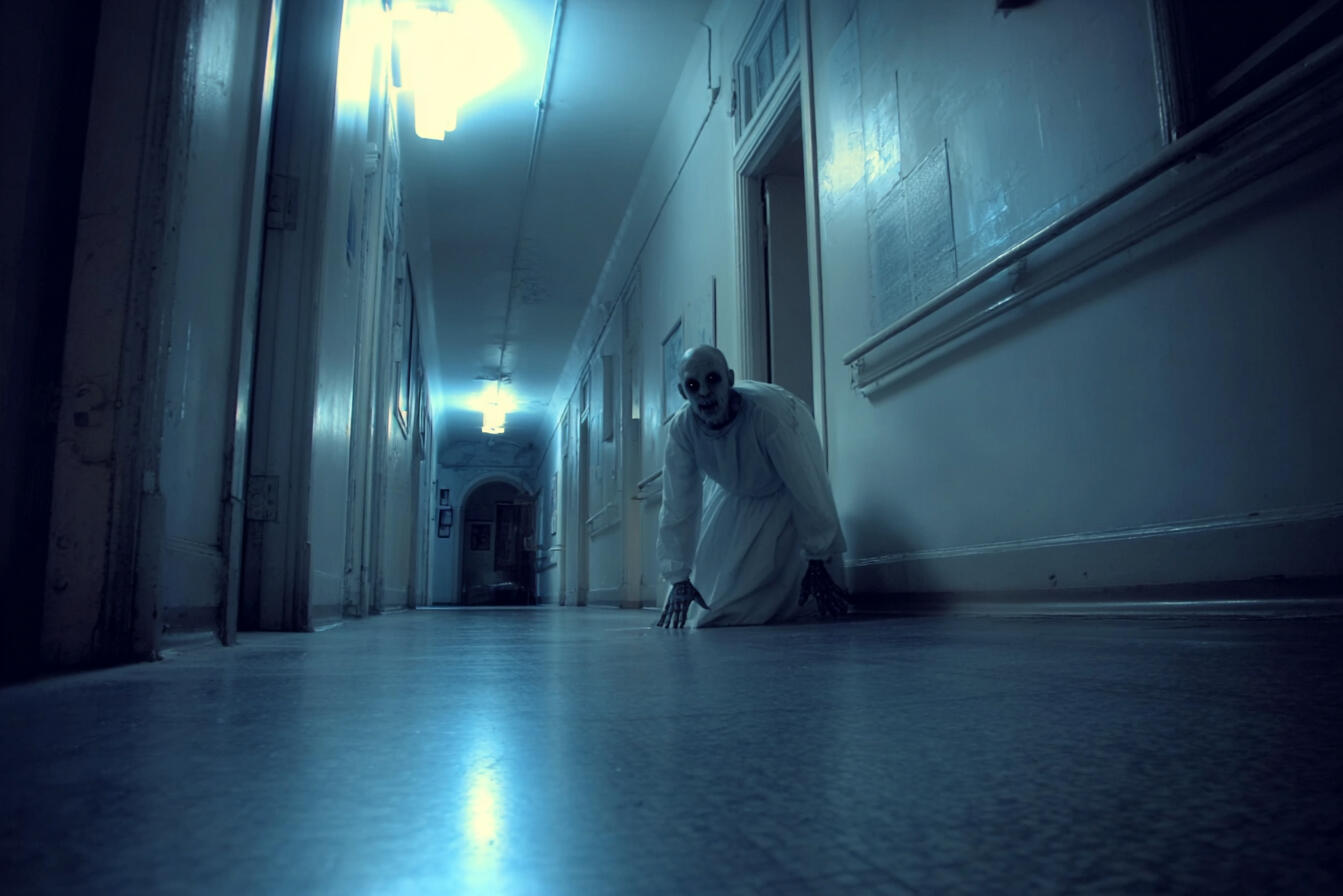
Status: UnexplainedOne of the most feared legends at Ravenscroft is known as the Screaming Patient. Staff and patients claim the ghost appears in the oldest isolation wing late at night, usually after lights-out.
Witnesses describe a pale, thin figure with sunken eyes and hospital restraints hanging loosely from his wrists. He is often heard before he is seen — distant crying that slowly turns into screaming, crawling on the floor, echoing down the hallways. Some nights, loud banging is reported on locked doors, as if someone is trying to break out.
Those who claim to have seen him say he rushes suddenly down corridors or appears inches away before vanishing. A few staff members have reported being shoved, scratched, or having doors slam violently in front of them with no one nearby.
The legend says he was a patient during the asylum era who was kept in isolation for years and died during a failed treatment experiment. Records from that time are missing, but old blueprints show a sealed cell where the worst screams were once reported.
Hospital officials insist the noises are building issues or stress-related hallucinations, but the physical marks left on walls and occasional unexplained injuries have never been fully explained.
Most night-shift workers avoid that wing entirely.
The Library Lady
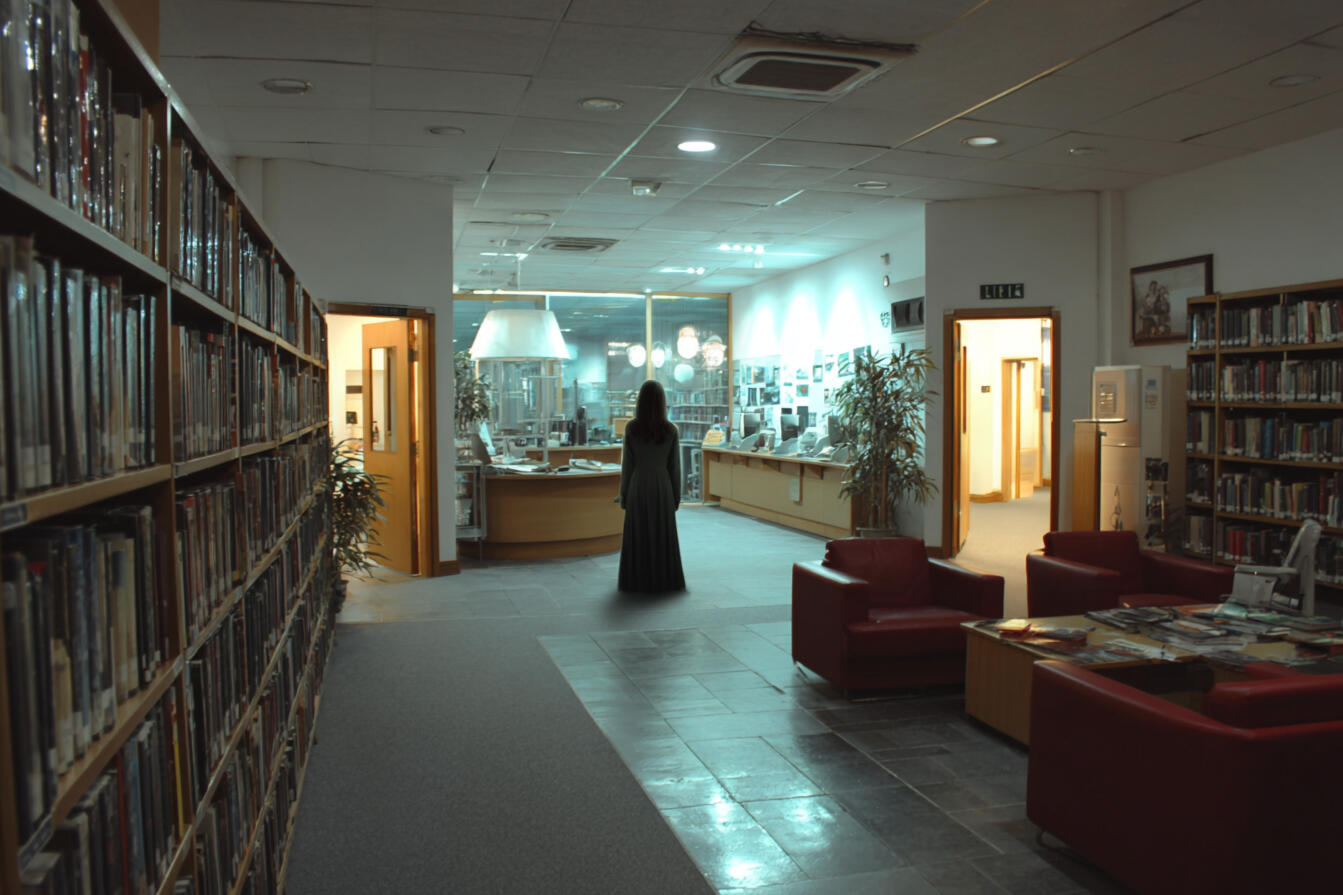
Status: UnexplainedShe is said to appear in the old asylum library late at night. According to the legend, she was a young woman in the late 1800s who refused to marry and openly spoke about wanting independence. Some versions of the story say she dreamed of becoming a doctor, others claim she wanted to be a writer or scholar. Her family labeled her rebellious and unstable, and she was sent to Ravenscroft against her will for refusing to follow social expectations.
Staff from the asylum era reportedly subjected her to extreme “treatments” meant to break her spirit. She was isolated for long periods, restrained, and punished whenever she spoke about education, freedom, or refusing marriage. Old rumors claim she was beaten and experimented on until she eventually died within the institution, though no official death record exists under her name.
Now, many believe her ghost remains in the library, wandering between shelves or sitting at old desks that no longer exist. Witnesses describe seeing a pale woman in a long Victorian dress, sometimes reading from invisible books, other times staring angrily at anyone who enters.
Some claim that when she appears, books are thrown violently from shelves, lights flicker, and doors slam shut. A few people have reported being shoved or scratched after hearing a woman whispering about freedom, knowledge, or injustice.
Among long-term staff and patients, many believe the Library Woman is real — a spirit formed from rage, suffering, and the life she was never allowed to live.
Quiet Boy
Status: UnexplainedHe is said to appear in the old children’s ward, a section of the building once used in the early to mid-1900s when children with developmental conditions were often institutionalized.
According to the legend, the boy was sent to Ravenscroft after being diagnosed with autism at a time when it was poorly understood and treated as severe mental illness.
Some believe he died from neglect, while others say he was hurt during a restraint incident that was never properly recorded.
Now, people report seeing a small shadowy figure sitting on the floor of empty hallways late at night, knees pulled to his chest, gently rocking. Soft humming or tapping sounds are sometimes heard coming from rooms that have been closed for decades.
Administration has tried to explain the sounds as pipes and old wiring, but many who have worked at Ravenscroft long enough believe the child’s spirit is real.


The Doctor in white
Status: DebunkedUnlike the Victorian spirits, this ghost is believed to come from the mid-20th century when Ravenscroft operated as a psychiatric hospital and experimental treatments were common.
Witnesses describe a tall figure wearing a medical coat. He is usually seen late at night near treatment rooms and wandering outside, standing motionless.
The legend says he was a doctor during the lobotomy and electroshock era who became known among patients for cruelty. Stories claim he enjoyed inflicting pain, performing procedures without care or consent, and using treatments as punishment rather than medicine. Over time, resentment among patients grew.
According to hospital rumor, one patient finally attacked him during a late-night procedure, killing him inside one of the treatment rooms. The incident was allegedly covered up by administration to avoid scandal, and many records from that period were later destroyed.
Though, it was later debunked for it to just be Thomas going for a smoke. Seems like his bald head does give quite a scare...
Credits
The Ravenscroft Files series was written and created by Sheriffboo.
The Ravenscroft website was designed and built on Carrd by Sheriffboo.
All visual assets and images featured on this site were generated and curated by Sheriffboo by using Midjourney.The story and atmosphere of Ravenscroft draw inspiration from psychological horror and institutional dramas such as Shutter Island, American Horror Story: Asylum, and Girl, Interrupted, alongside real historical accounts of psychiatric institutions.All characters, lore, and original concepts remain part of the Ravenscroft universe created by Sheriffboo.